Local Repo to Github
Method 1: Adding a local repository to GitHub using Git
Create a new repository on GitHub.com. To avoid errors, do not initialize the new repository with README, license, or
gitignorefiles. You can add these files after your project has been pushed to GitHub.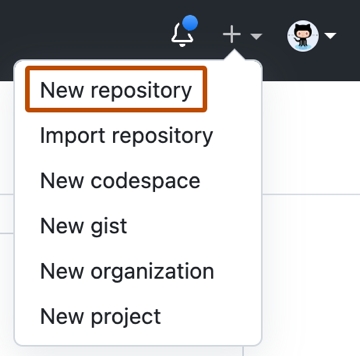
Open Git Bash.
Change the current working directory to your local project.
Initialize the local directory as a Git repository.
git init -b mainAdd the files in your new local repository. This stages them for the first commit.
git add .
# Adds the files in the local repository and stages them for commit. To unstage a file, use 'git reset HEAD YOUR-FILE'.
Commit the files that you've staged in your local repository.
git commit -m "First commit"
# Commits the tracked changes and prepares them to be pushed to a remote repository. To remove this commit and modify the file, use 'git reset --soft HEAD~1' and commit and add the file again.
At the top of your repository on GitHub.com's Quick Setup page, click to copy the remote repository URL.

In the Command prompt, add the URL for the remote repository where your local repository will be pushed.
git remote add origin  <REMOTE_URL>
# Sets the new remote
git remote -v
# Verifies the new remote URL
Push the changes in your local repository to GitHub.com.
git push origin main
# Pushes the changes in your local repository up to the remote repository you specified as the origin
Method 2: Adding a local repository to GitHub with GitHub CLI
In the command line, navigate to the root directory of your project.
Initialize the local directory as a Git repository.
Stage and commit all the files in your project
To create a repository for your project on GitHub, use the
gh repo createsubcommand. When prompted, select Push an existing local repository to GitHub and enter the desired name for your repository. If you want your project to belong to an organization instead of your user account, specify the organization name and project name withorganization-name/project-name.Follow the interactive prompts. To add the remote and push the repository, confirm yes when asked to add the remote and push the commits to the current branch.
Alternatively, to skip all the prompts, supply the path to the repository with the
--sourceflag and pass a visibility flag (--public,--private, or--internal). For example,gh repo create --source=. --public. Specify a remote with the--remoteflag. To push your commits, pass the--pushflag. For more information about possible arguments, see the GitHub CLI manual.
Last updated